The Breathability of Wigs: Comfort in Prolonged Wear
The Breathability of Wigs: Comfort in Prolonged Wear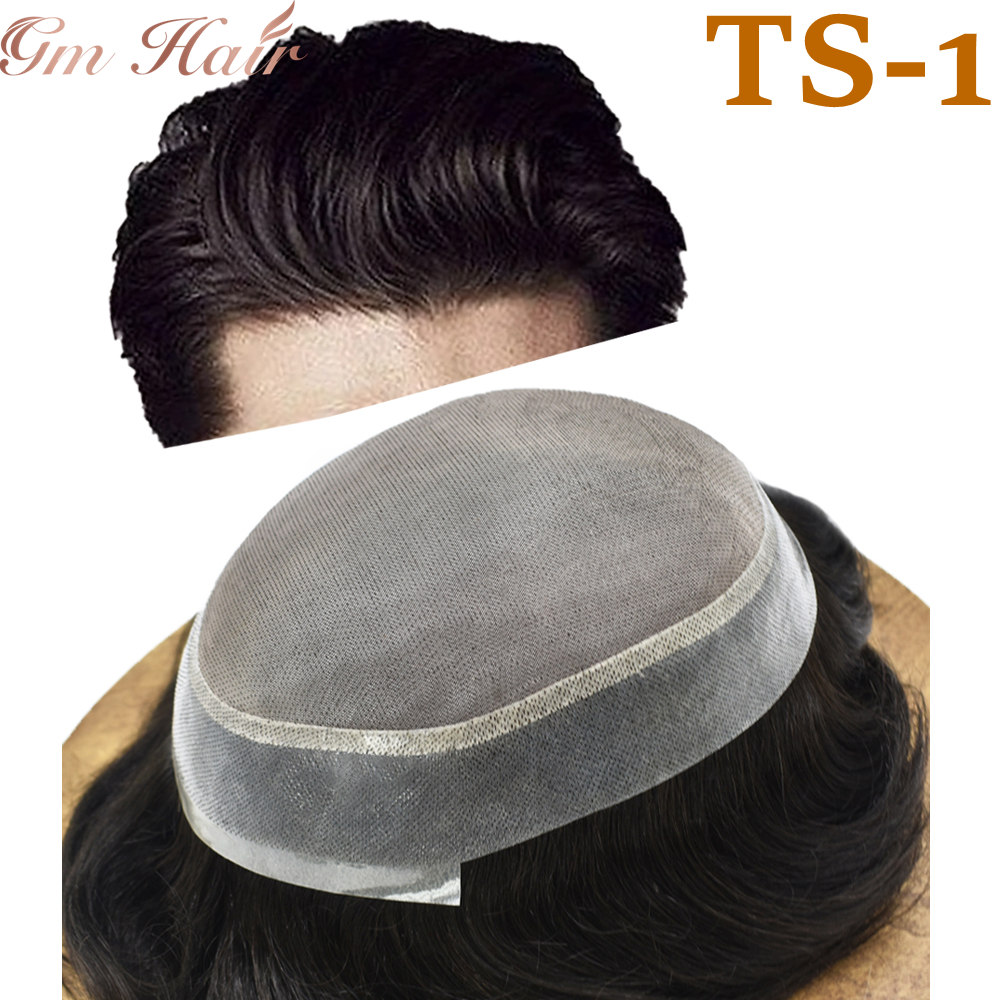
Wigs have become an essential accessory for many, offering versatility in style and protection for those experiencing hair loss. However, the comfort of wearing a wig for extended periods is largely dependent on its breathability. Breathability refers to the wig's ability to allow air circulation, which is crucial for preventing discomfort and potential health issues.
The material of the wig plays a significant role in determining its breathability. Synthetic wigs, made from plastic fibers, tend to trap heat and moisture, leading to a buildup of sweat and discomfort. On the other hand, human hair wigs offer better breathability due to their natural composition, which allows for more airflow. Additionally, lace front wigs and full lace wigs are known for their superior breathability, as the lace material mimics the scalp and allows for natural ventilation.
The construction of the wig also impacts its breathability. Wigs with open wefts, where the hair is sewn onto a breathable fabric, allow for better air circulation compared to those with closed wefts. The density of the wig is another factor; a wig with less density will be more breathable than one with a high density, which can trap heat and moisture.
Proper maintenance and care are essential for maintaining the breathability of a wig. Regular washing and drying help to remove sweat, oils, and other buildup that can reduce airflow. Using products specifically designed for wigs, such as lightweight conditioners and dry shampoos, can also enhance breathability.
In conclusion, the breathability of a wig is a critical factor in ensuring comfort during prolonged wear. By choosing the right material, construction, and maintaining proper care, individuals can enjoy wearing a wig without compromising their comfort or health.